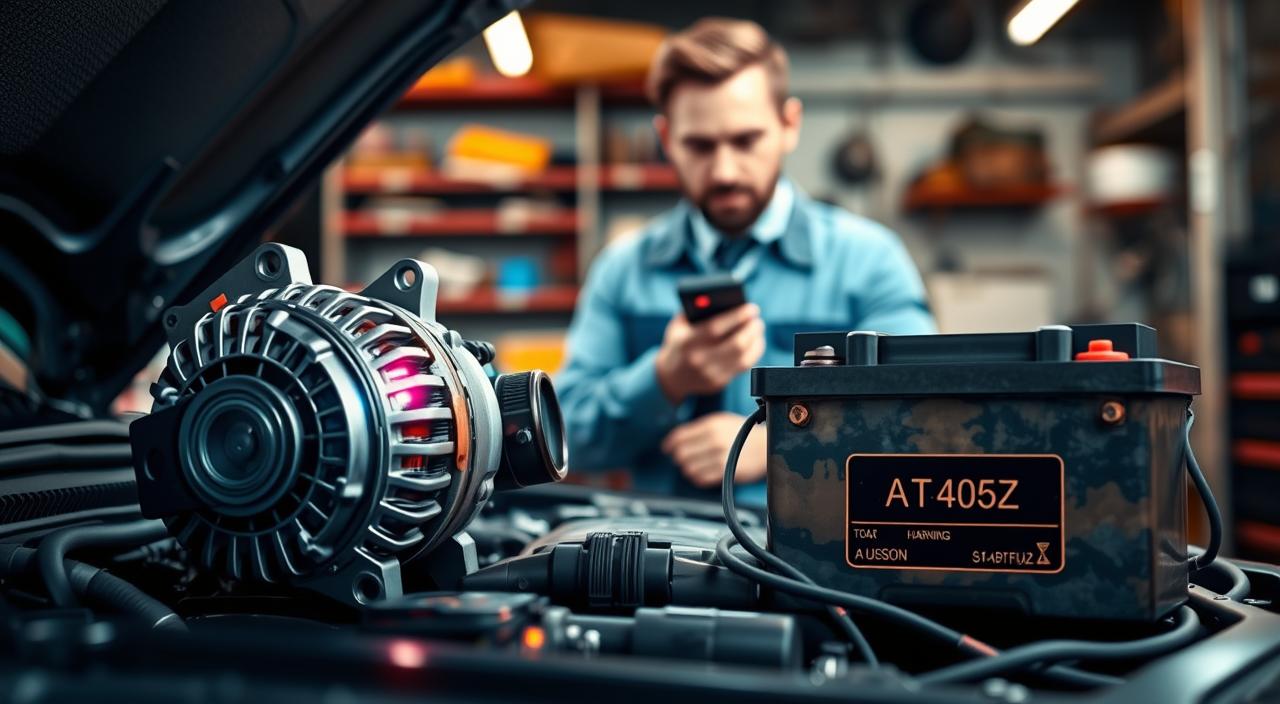
Knowing the difference between alternator failure symptoms and battery failure symptoms is key for car owners. Both parts are important for your car’s electrical system. Problems with either can leave you stuck.
It’s hard to tell if your car won’t start because of the alternator or battery. Figuring out the cause is important to save money and time.
This guide will show you how to tell if your alternator or battery is failing. This way, you can fix the problem right away.
Understanding Your Vehicle’s Electrical System
Knowing how your car’s electrical system works is key. It has many parts that must work together. This keeps your car running right.
How Alternators and Batteries Work Together
The alternator and battery are very important. They help your car’s electrical system run well. The alternator makes power when the engine is on. The battery gives the power to start the engine and keeps things running when it’s off.
The Role of the Alternator in Charging
The alternator’s main job is to charge the battery and power the car. It turns mechanical energy into electrical energy. This keeps the battery charged and ready to start the engine again.
The Function of the Battery in Starting
The battery is key for starting your car. It gives the high voltage needed to start the engine. A good battery ensures your car starts well and works accessories when the engine is off.
Symptoms of a Bad Alternator vs Bad Battery
It’s important to know the signs of a bad alternator and battery. Both are key to your car’s electrical system. Their failure can show in confusing ways.
Shared Warning Signs to Watch For
Both problems can cause dim or flickering headlights. You might also see a dead battery or trouble starting the engine. These signs can make it hard to figure out the problem.
Unique Alternator Failure Symptoms
A bad alternator might make strange noises, like whining or grinding. This is often due to worn-out bearings. It can also cause electrical system problems, like broken accessories or dashboard lights.
Distinctive Battery Failure Indicators
A failing battery might show signs like slow engine cranking. You might also see a swollen battery or corrosion on the terminals. Sometimes, it can make the car’s electrical systems act weird, but not as often as with alternators.
| Symptom | Alternator Failure | Battery Failure |
|---|---|---|
| Dim/Flickering Headlights | Common | Common |
| Unusual Noises | Yes | No |
| Slow Engine Cranking | No | Yes |
| Electrical System Malfunctions | Yes | Sometimes |
Interpreting Warning Lights and Dashboard Indicators
It’s important to know what dashboard warning lights mean. Modern cars have smart warning systems. They tell drivers about problems before they get worse.
Battery Warning Light Meanings
The battery light means there’s a charge system issue. If it lights up while driving, the alternator might not be working right. It’s very important to check this quickly to avoid being stuck with a dead battery. Problems with the battery or alternator can get worse if not fixed fast.
Alternator Warning Light Interpretations
Some cars have a special alternator light. Others use a «CHARGE» or «ALT» light. When this light comes on, it means the alternator is not working right. Fixing alternator and battery issues early can save a lot of time and money.
Other Dashboard Clues to Electrical Problems
Other dashboard lights can also show electrical issues. For example, dim or flickering headlights might mean the alternator is failing. Also, if car accessories like the radio or wipers act strangely, it could be an electrical problem. Knowing these signs helps in troubleshooting alternator and battery problems well.
Diagnosing Starting Problems: Battery vs Alternator
When your car won’t start, figuring out if it’s the alternator or battery is key. This helps you get back on the road fast and safely.
Analyzing When Your Car Won’t Start
If your car won’t start, first find out why. A dead battery is common, but it could mean the alternator is failing too. See if the lights dim or don’t come on; that’s a battery sign.
What Jump Start Behavior Tells You
Jump-starting your car can give clues. If it starts and runs well after a jump, it might be the battery. But if it doesn’t start or stalls soon after, it could be the alternator. Watch how the car acts after a jump start; it’s a big clue.
Interpreting Cranking Sounds and Symptoms
The sounds your car makes when starting are important. A slow crank or clicking sound means a weak battery. If the engine cranks but won’t start, or if you hear grinding, it might be the alternator or other electrical issues.
By looking at these signs and behaviors, you can guess if it’s the alternator or battery. Knowing these signs helps you diagnose car issues with alternator and battery well.
Identifying Electrical System Behavior Differences
When we check electrical system problems, watching how parts act is key. This helps us know if the alternator or battery is failing. The way the system acts changes a lot, depending on the problem.
Headlight Performance as a Diagnostic Tool
Checking headlight brightness is a simple way to find electrical issues. If the lights dim or flicker, it might mean the alternator is failing. But if the lights stay bright and the car won’t start, it could be the battery.
Power Accessory Problems and Their Meaning
Issues with power accessories like the radio or wipers can also show electrical problems. If these gadgets work slowly or not right, it might mean the alternator isn’t giving enough power. But if they work well but the car won’t start, it could be the battery’s fault.
Understanding Intermittent Electrical Failures
Intermittent electrical failures are hard to figure out. They might happen when the engine is cold or after it warms up. Finding patterns in these failures helps us know if it’s the alternator or battery.
How to Test Your Battery at Home
A dead battery can be frustrating. But, you can test it at home easily. Just follow a few simple steps to see if it’s working right or if it needs a new one.
Performing a Visual Inspection
Start by looking at your battery. Check the terminals and cables for wear or damage. Corrosion or loose connections can stop your battery from working.
Also, check the battery case for cracks or leaks. These signs can mean there’s a problem.

Step-by-Step Multimeter Testing
To check your battery’s health, use a multimeter. Set it to DC voltage (20V). Connect the leads to the terminals.
A good battery should show about 12.6 volts. If it’s less than 12.4 volts, it might be sulfated or not hold a charge well.
Conducting a Battery Load Test
A load test shows if your battery can start your engine. You’ll need a battery load tester for this. Follow the maker’s guide to connect it to your battery.
The tester will put a load on the battery. If it can’t keep the right voltage, it might need to be replaced.
| Battery Condition | Voltage Reading |
|---|---|
| Fully Charged | 12.6V |
| 75% Charged | 12.4V |
| 50% Charged | 12.2V |
As Popular Mechanics says, «A battery’s voltage can show its charge level. But, a load test is needed to check its health.» By doing these steps, you can figure out if your battery is okay or needs to be replaced.
DIY Alternator Testing Techniques
You can test your alternator at home before seeing a mechanic. It’s easy to check if your alternator is working right. Just follow a few simple steps.
Inspecting Belts and Physical Components
First, check the belts and parts near your alternator. Look for cracks or frays on the serpentine belt. Make sure all connections to the alternator are tight and clean.
A worn-out or loose belt can cause problems. So, fix any issues you find right away.
Measuring Alternator Voltage Output
You’ll need a multimeter to check the alternator’s voltage. Set it to DC volts and connect it to your battery. When the engine is off, the reading should be about 12.6 volts.
Start the engine and check the voltage again. It should go up to 13.5 to 14.5 volts. This means your alternator is working well.
Listening for Problematic Alternator Sounds
Alternators might make strange noises when they’re not working right. Listen for grinding, whining, or growling sounds. These sounds could mean worn-out bearings or other problems.
If you hear odd noises, it’s time to have your alternator checked.
By trying these DIY tests, you can learn more about your car’s electrical system. You might even catch problems before they get worse.
When to Seek Professional Diagnostic Help
If you’re having trouble with your car’s electrical system, it’s important to know when to ask for help. While you can try to fix some problems yourself, some issues need special tools and knowledge.
Signs Your Problem Requires Expert Attention
Some signs mean you need a pro to fix your car. These include lights that dim or flicker, batteries that keep dying, or strange sounds from the alternator. If you see these signs, it’s time to get help.
What to Expect from Professional Testing
Experts use special tools to find out what’s wrong with your car’s electrical system. They might do tests like load testing or check the alternator’s output. They’ll tell you what’s wrong and what needs to be fixed.
Finding Reliable Diagnostic Services
To find good help, look for mechanics or electricians who are certified. Check online reviews and ask people you trust for recommendations. Make sure they explain how they will fix your car and offer a warranty.
| Diagnostic Service | What to Look For | Benefits |
|---|---|---|
| ASE-Certified Mechanics | Certification, Experience in Electrical Systems | Reliable, Accurate Diagnoses |
| Auto Electricians | Specialization in Electrical Systems | Expertise in Complex Electrical Issues |
| Online Reviews | Positive Feedback, Referrals | Trustworthy, Reliable Services |
Replacing Your Battery: Step-by-Step Guide
Learning to replace your car’s battery is a great skill. It helps when you have battery problems or need to do regular maintenance. Knowing how to do it can save you time and money.
Gathering Tools and Safety Precautions
First, make sure you have the right tools and follow safety rules. You’ll need a new battery that fits your car, gloves, safety glasses, and a wrench or socket set. Always disconnect the negative terminal first to avoid short circuits.

Battery Removal Process
To take out the old battery, start by disconnecting the negative (black) cable. Then, disconnect the positive (red) cable. Next, remove any brackets or clamps that hold the battery.
Now, lift the battery out carefully. Remember its orientation and any cables or connectors.
Proper Installation and Testing Procedures
To put in the new battery, do the opposite of what you did to remove it. Connect the positive cable first, then the negative cable. Make sure all connections are tight and brackets or clamps are secure.
Lastly, test your car’s electrical system. Check the headlights, radio, and other accessories. This will make sure the battery is working right.
Alternator Replacement Considerations
Knowing when to replace your alternator can prevent bigger problems. A bad alternator can cause many electrical issues. So, replacing it on time is very important.
Recognizing When Replacement is Necessary
Spotting signs of a failing alternator is crucial. Look out for dim or flickering headlights, a dead battery, and strange noises. If you see these signs, you should check further.
Professional vs DIY Replacement Options
You can replace your alternator yourself or have a pro do it. DIY saves money but needs technical skills and tools. A pro ensures it’s done right but costs more.
Understanding Cost and Time Factors
The price to replace an alternator depends on your car and if you get help. A new alternator costs $200 to $500. Labor adds $100 to $300, based on the job’s complexity.
| Replacement Option | Cost | Time Required |
|---|---|---|
| DIY Replacement | $200-$500 | 2-4 hours |
| Professional Installation | $300-$800 | 1-2 hours |
Preventative Maintenance for Electrical System Longevity
Keeping your car’s electrical system in check is key. It makes sure your car starts right, your battery lasts, and the alternator works well. Regular care stops common problems with alternators and batteries.
Essential Battery Maintenance Practices
To keep your battery healthy, check its terminals often for rust. Make sure they’re clean and tight. Also, keep the battery charged and avoid letting it get too low. Use a multimeter to check the voltage and make sure it’s right.
Keeping Your Alternator in Good Condition
The alternator is very important for your car’s electrical system. Check the belt that powers it for wear or damage. Also, look for corrosion or wear on the electrical connections to the alternator. It’s important for the alternator to make the right voltage.
Seasonal Maintenance Considerations
Seasons can change how your car’s electrical system works. Extreme temperatures can hurt battery and alternator performance. In summer, make sure your battery is fully charged. In winter, check if your alternator can keep your battery charged. Regular checks can spot problems early.
Conclusion
Knowing the signs of a bad alternator vs bad battery is key. It helps keep your car’s electrical system working right. By spotting the unique signs of each, you can fix problems fast.
A bad battery usually means trouble starting your car. But a failing alternator can cause many electrical issues. This includes dim or flickering headlights.
Fixing alternator and battery problems needs a careful plan. You should check them visually, use a multimeter, and get help from experts if needed. This article shows how to do it right.
Regular checks on your battery and alternator can make your car last longer. Being proactive means you’ll have a car that runs well and efficiently.