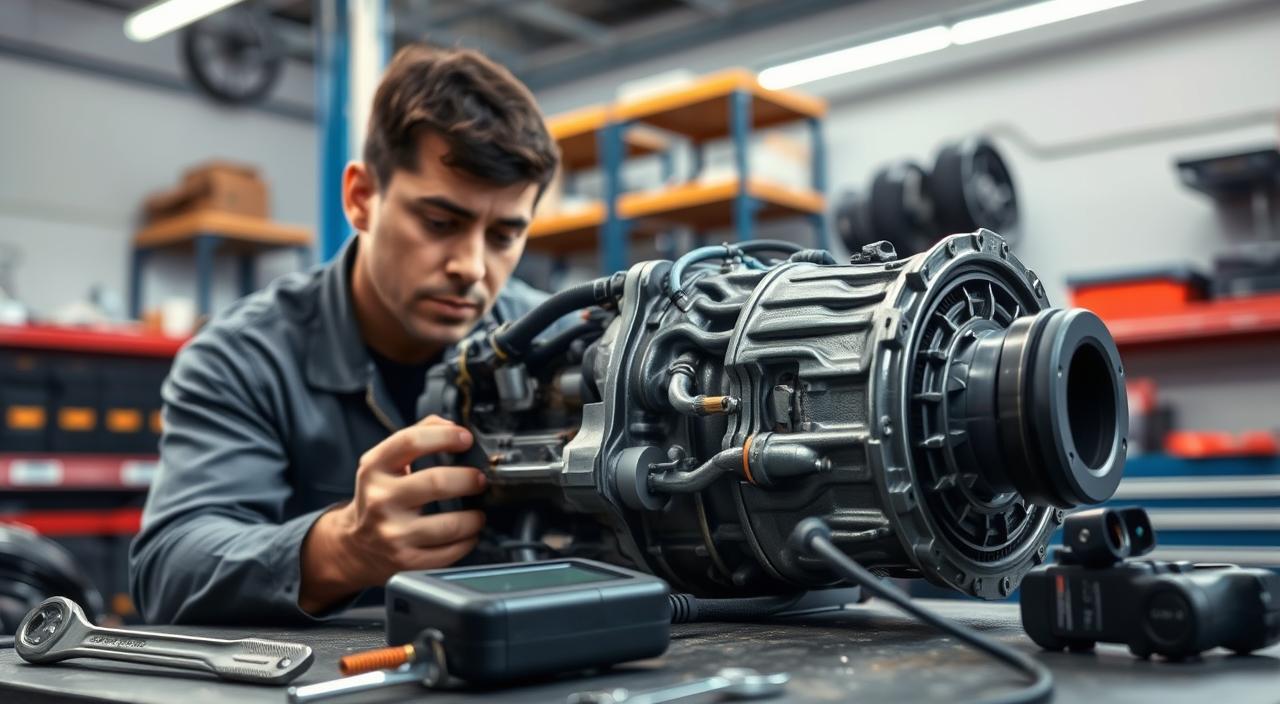
I had a problem with my car. Its automatic transmission jerking while shifting gears. This made me uncomfortable and worried about my car’s health.
An automatic transmission should run smoothly. But when it jerks, it’s a bad sign. If we ignore it, we might face bigger problems and expensive fixes.
In this article, I’ll talk about why car jerks when shifting automatic transmission. I’ll also share ways to fix this problem.
Understanding Automatic Transmission Jerking
Driving an automatic car can sometimes feel jerky. This is when the car suddenly moves when it shifts gears. It makes driving feel uncomfortable.
What Does Transmission Jerking Feel Like?
Transmission jerking feels like a sudden, abrupt motion. It’s like the car is hesitating before it shifts gears. You might feel it most when you start moving or shift into a higher gear.
Why Smooth Shifting Matters
Smooth shifting makes driving better. It helps the car run well and doesn’t wear out the transmission too fast. Jerky shifting can make the transmission wear out sooner.
How Jerking Affects Vehicle Performance
Jerking can make the car use more fuel and go slower. It also makes driving feel bad. If jerking happens a lot, it might mean there’s a big problem with the transmission. This could cost a lot to fix.
Common Causes When Your Car Jerks When Shifting Automatic Transmission
Jerking when shifting gears is a common problem. It can be caused by many things. Knowing what causes it helps fix the problem.
Low Transmission Fluid
Low transmission fluid is a big reason for jerking. This fluid helps the gears shift smoothly. Without enough, the transmission jerks or hesitates.
Worn-Out Transmission Components
Transmission parts wear out over time. This can make the car jerk or slip when shifting. Worn-out clutch packs or bands need to be fixed or replaced.
Faulty Solenoids
Solenoids help control gear shifts. If they fail, the car jerks or shifts erratically. Finding and fixing faulty solenoids is tricky.
Torque Converter Issues
The torque converter helps power flow from the engine to the transmission. Trouble with it can make the car jerk or vibrate, mainly when speeding up.
Electronic Control Module Problems
The Electronic Control Module (ECM) manages the car’s systems, including shifting. ECM problems can cause the transmission to jerk or shift poorly.
| Cause | Symptoms | Solution |
|---|---|---|
| Low Transmission Fluid | Jerking, hesitation | Check and top off fluid |
| Worn-Out Components | Slipping, jerking | Replace worn components |
| Faulty Solenoids | Erratic shifting | Replace solenoids |
Safety Concerns with Jerking Transmissions
Jerky car shifting is not just annoying. It’s also very dangerous. When your car’s automatic transmission jerks, it can act strangely. This might cause accidents or harm you and your passengers.
Unpredictable Vehicle Behavior
The jerking motion can surprise you and make you lose control. This is very risky in heavy traffic or bad weather.
Risk of Sudden Power Loss
A jerking transmission might suddenly stop working. This could leave you stuck or unable to speed up, like when you need to merge onto a busy road.
When to Stop Driving Immediately
- If the jerking is very bad and you hear strange noises or feel vibrations.
- If you see fluid leaking or if the transmission gets too hot.
Not paying attention to these signs can cause serious damage or even make the transmission fail. This is both dangerous and expensive to fix.
Diagnosing Transmission Jerking Problems
To fix transmission jerking, I need to know when and how it happens. Finding the right cause is key to fixing it.
Paying Attention to When Jerking Occurs
I must watch when the jerking happens. Is it when I speed up, slow down, or shift gears? Knowing this helps find the problem.
Checking for Warning Lights
I should look at my dashboard for warning lights. Lights for the transmission or engine mean I need to check it.
Listening for Unusual Sounds
Strange sounds like grinding or whining go with jerking. Listening can tell me what’s wrong.
Using Diagnostic Tools
Diagnostic tools like an OBD-II scanner are helpful. They show error codes that tell me about the transmission’s health.
Checking Your Transmission Fluid
To fix transmission shifting issues, start by checking your car’s transmission fluid. This fluid helps your transmission work smoothly. Its condition affects your car’s performance.
Finding the Dipstick
First, find the dipstick. It’s labeled «Transmission Fluid» or has a transmission symbol. The spot can differ by car model. Check your owner’s manual if you’re unsure.
Assessing Fluid Level
After finding the dipstick, pull it out and clean it with a cloth. Put it back in and pull it out again. This shows the fluid level. It should be between «MIN» and «MAX» marks.
Evaluating Fluid Condition
The fluid’s condition tells you about your transmission’s health.
Normal vs. Abnormal Fluid Appearance
Good transmission fluid is pink or red and clear. Dark, cloudy, or smelly fluid means trouble. Dark or dirty fluid shows it’s broken down or contaminated.
Burning Smell Indicators
A burning smell from the fluid is bad. It means the fluid is too hot or the transmission is damaged. If you smell something odd, get your transmission checked.
Proper Fluid Checking Technique
For a correct reading, park on a level surface and start the engine. Some cars need a specific gear or the parking brake on. Always follow your owner’s manual for the right steps.
DIY Solutions for Transmission Jerking
Dealing with a jerking automatic transmission can be frustrating. But, there are DIY solutions you can try before getting help from a pro. Simple maintenance or adjustments can often fix the problem.
Topping Off Transmission Fluid
Low transmission fluid is a common cause of jerking. Just check and top off the fluid to solve it.
Selecting the Right Fluid Type
It’s important to use the right transmission fluid. Your car’s manual will tell you what type to use. The wrong fluid can hurt your car more.
Step-by-Step Filling Process
To add fluid, find the dipstick and check the level. Then, add the right fluid slowly. Don’t add too much.
Performing a Transmission Fluid Change
If topping off doesn’t work, you might need a full fluid change. This means draining the old fluid and putting in new one.
Using Transmission Additives
Transmission additives can help with jerking. They improve fluid quality and help lubricate parts.
When Additives Help
Additives are good when jerking is from worn-out parts or dirty fluid.
When to Avoid Additives
Don’t use additives for serious mechanical problems. They might hide the problem without fixing it.

Resetting Your Transmission’s Adaptive Learning
Resetting your transmission’s adaptive learning can fix automatic transmission shifting roughly. Modern cars have adaptive learning. It changes how the car shifts based on how you drive.
What is Adaptive Learning?
Adaptive learning is a feature in modern cars. It learns how you drive and changes the shifting. But, it can cause jerky car shifting if it gets old or messed up.
Disconnecting the Battery Method
One easy way to reset the transmission is by disconnecting the battery. This resets the car’s computer, letting it learn your driving habits again. Here’s how:
- Turn off the engine and let it rest for a few minutes.
- Disconnect the negative terminal of the battery.
- Wait for at least 30 minutes before reconnecting.
Using an OBD-II Scanner
You can also use an OBD-II scanner to reset the transmission. This method is more exact. You can use a code scanner or a more advanced tool.
Manufacturer-Specific Reset Procedures
Some car makers have special ways to reset the transmission. It’s important to check your car’s manual or call a dealership for the right steps.
Resetting the transmission’s learning can fix jerky car shifting. It can also make your car run better.
When Jerking Indicates Serious Transmission Issues
Jerking when shifting gears is not just annoying. It can mean serious trouble with your car’s transmission. Knowing the cause is key to avoid more damage.
Signs of Internal Damage
Internal damage shows in many ways. You might hear odd noises, see slipping between gears, or notice transmission slipping when changing gears. If you see these signs, get a pro to check your car.
When Fluid Changes Don’t Help
Changing the transmission fluid might not fix the jerking. This could mean worn-out parts or deeper problems that need big repairs.

Progressive Worsening of Symptoms
If jerking gets worse or happens more often, it’s getting serious. Not fixing it can cost a lot more later.
Common Transmission Failure Patterns
Knowing common failure patterns helps spot problems early. Here’s a quick guide to common failures and their signs:
| Failure Pattern | Symptoms |
|---|---|
| Slipping Clutches | Slipping between gears, hesitation |
| Worn-Out Bands | Jerking during shifts, delayed engagement |
| Faulty Solenoids | Erratic shifting, transmission stuck in gear |
Spotting these patterns early lets you fix issues before they get worse.
Professional Diagnosis and Repair Options
Drivers with transmission problems have many options. If your car jerks, finding a solution is key. Knowing your repair choices is important.
Diagnostic Procedures at Repair Shops
Repair shops start by checking your car’s transmission. They use special tools to look for damage. They might also take your car for a test drive to find the problem.
Transmission Service vs. Rebuild
A service includes new fluid, clean filters, and fixing parts. A rebuild means taking apart the transmission to replace parts. The choice depends on how bad the damage is.
Expected Costs for Different Repairs
Repair costs vary a lot. A simple service might cost a few hundred dollars. But a full rebuild can be thousands. Knowing the cost helps you decide.
Choosing Between Dealer and Independent Shops
Choosing where to go is important. Dealers know your car best but cost more. Independent shops might be cheaper but need to know your car.
Understanding your options and costs helps you choose wisely. This way, you can get back on the road safely and quickly.
Preventing Future Transmission Jerking Problems
To stop transmission jerking, you need regular care and smart driving. Taking steps early can lower the chance of jerking when shifting.
Regular Maintenance Schedule
Keeping up with maintenance is key for your transmission. Check and change the transmission fluid as the maker says. Regular fluid changes keep it clean and moving smoothly, lessening jerking.
Driving Habits That Protect Your Transmission
Your driving habits affect your transmission’s life. Avoid sudden acceleration and braking to lessen wear. Also, shift to neutral when stopped to ease transmission stress.
Warning Signs to Watch For
Know the signs of transmission trouble early. Look for slipping, hesitation, or odd noises when shifting.
Manufacturer Recalls and Technical Service Bulletins
Keep up with recalls and bulletins for your car’s transmission. They offer tips on known problems and fixes.
Conclusion
Fixing jerky car shifting is key for your car’s health and performance. Knowing why it happens, like low fluid or worn parts, helps you act fast. This can stop or fix the problem.
Keeping up with car care, like checking fluid, is important. It helps find issues early. If your car shifts oddly, find out why and get help if needed.
By following the tips in this article, your car’s transmission will run smoothly. This lowers the chance of big problems and expensive fixes later.