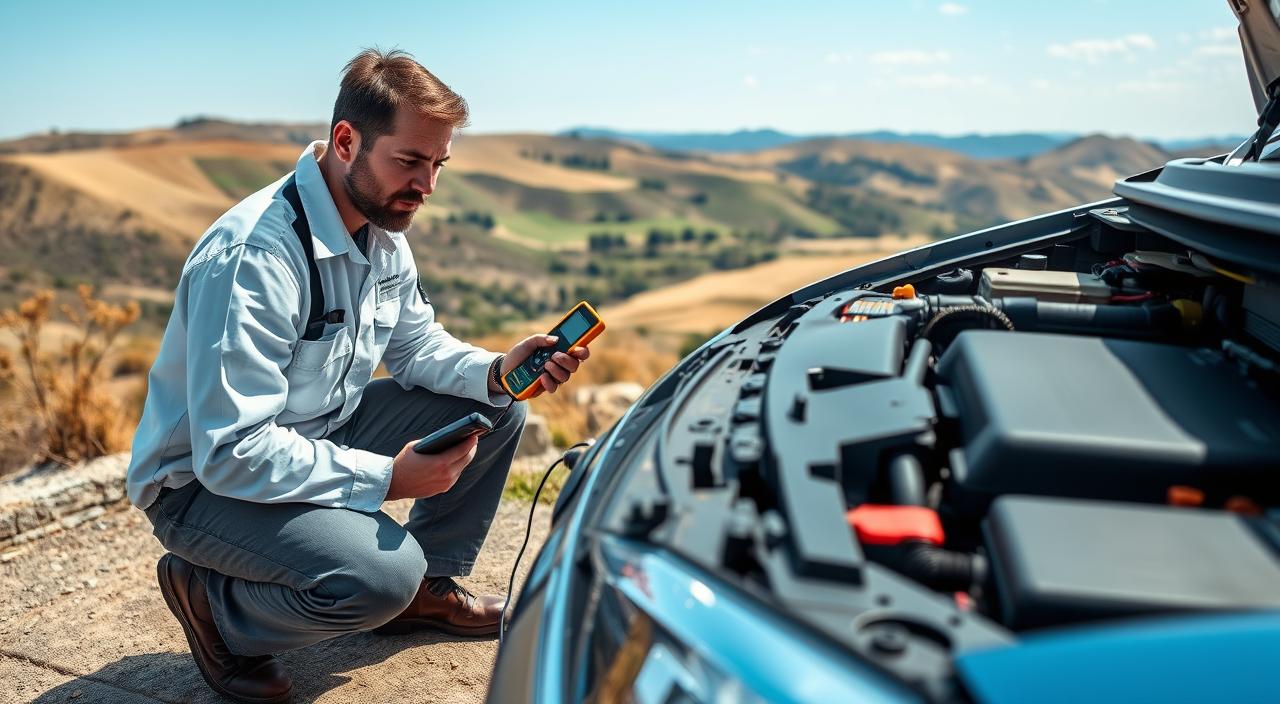
I had a problem while driving uphill. My car didn’t perform as well as it should. This is called loss of power when accelerating uphill.
Many drivers face this issue. It can be caused by engine problems, transmission issues, or not doing regular car maintenance.
In this article, I will show you how to find and fix the problem. This will help your car perform better when going uphill.
Understanding Loss of Power When Accelerating Uphill
Losing power when going uphill is a common issue. It shows your car might have a problem. When you drive uphill, your car needs more power to keep moving.
How Vehicle Power Systems Should Perform on Inclines
Your car’s power system is made to work well in different situations. Good engines can handle the extra power needed for uphill driving. The engine control unit (ECU) helps by adjusting fuel and timing.
Recognizing the Symptoms of Uphill Power Loss
Signs of power loss when going uphill can be different. You might feel your car hesitate or stumble when you try to speed up. Or, it might not get faster as you go up.
In some cases, the check engine light might turn on. This means there’s a problem that needs fixing. Spotting these signs early can help fix the issue before it gets worse.
Common Causes of Power Loss on Inclines
Many things can make a car lose power when going up hills. Knowing what these are helps fix the problem.
Fuel System Issues That Affect Hill Climbing
Fuel system problems often cause power loss uphill. Clogged fuel filters or a failing fuel pump can make it hard to go up hills. Keeping the fuel system clean and working is key.
Engine-Related Problems That Reduce Power
Engine problems can also cause power loss on hills. Issues like faulty spark plugs, clogged air filters, or low compression hurt engine performance. Regular engine care is important to avoid these problems.
Transmission and Drivetrain Concerns
The transmission and drivetrain are important for power. Problems like slipping transmission or worn-out drivetrain components can make power loss worse. Checking these can help find and fix issues.
| Cause | Symptoms | Solution |
|---|---|---|
| Clogged Fuel Filter | Reduced power, hesitation | Replace fuel filter |
| Faulty Spark Plugs | Misfires, reduced power | Replace spark plugs |
| Slipping Transmission | Slipping, hesitation | Check transmission fluid, repair or replace transmission |
Loss of Power When Accelerating Uphill: Fuel System Diagnosis
If your car has trouble going up hills, check the fuel system. It’s key for power on uphill climbs.
Testing Fuel Pressure and Flow
Checking fuel pressure and flow is important. Low pressure might mean a bad fuel pump or clogged filters. Use a fuel pressure gauge to check the fuel rail.
Here’s a basic overview of the fuel pressure test results:
| Fuel Pressure Reading | Indication |
|---|---|
| Below 30 PSI | Low pressure, potential fuel pump or filter issue |
| 30-40 PSI | Normal operating range for most vehicles |
| Above 40 PSI | High pressure, potential regulator issue |
Inspecting and Replacing Clogged Fuel Filters
A clogged fuel filter cuts down fuel flow. This can make your car weak when going up hills. Check the filter for clogs or damage at home.
Diagnosing Fuel Pump Failures
The fuel pump gives fuel to the engine. A bad fuel pump lowers fuel pressure, causing uphill struggles. Listen for strange noises from the tank for signs of a failing pump.
By following these steps, you can find and fix fuel system problems. This helps your car go up hills better.
Engine Performance Issues That Cause Uphill Struggles
Engine problems often lead to trouble when going uphill. Your car’s engine works harder on hills. Knowing these issues helps fix the problem.

Air Filter and Intake Restrictions
A dirty air filter hurts your car’s performance on hills. It stops the engine from getting enough air. So, it can’t speed up when needed. Always check and change the air filter.
- Inspect the air filter for dirt and debris
- Replace the air filter as needed
- Ensure the intake system is free from restrictions
Ignition System Problems: Spark Plugs and Coils
Ignition problems can also cause uphill struggles. Bad spark plugs and coils make the engine misfire. This reduces power. Keeping the ignition system in good shape is key.
Key components to check:
- Spark plugs for wear or fouling
- Ignition coils for proper function
Engine Sensor Malfunctions Affecting Power Delivery
Modern engines use sensors for better performance. But, faulty sensors like the mass airflow or oxygen sensor can cause issues. Finding these problems needs special tools and knowledge.
Some signs of sensor problems include:
- Poor engine performance
- Decreased fuel efficiency
- Error codes on the dashboard
Transmission Problems Leading to Uphill Power Loss
Transmission problems can make it hard to go up hills. If the transmission doesn’t work right, you might lose power. This makes driving up hills tough.
Identifying Transmission Slipping Symptoms
Transmission slipping is a big problem. It makes power loss when going up hills. Look for signs like slow starts, slipping gears, or the engine racing but not moving.
Diagnosing Torque Converter Issues
The torque converter is key in the transmission. Problems with it can cause power loss, mainly when going up hills. Signs include shuddering, slipping, or not feeling the power.
Checking Transmission Fluid Levels and Condition
Transmission fluid is very important. If it’s low or dirty, you might lose power. To check, find the dipstick, wipe it clean, and check the level. It should be in the right range and look clean.
| Transmission Issue | Symptoms | Solution |
|---|---|---|
| Transmission Slipping | Delay in acceleration, slipping between gears | Check transmission fluid, adjust or replace transmission components |
| Torque Converter Issues | Shuddering, slipping, lack of power transfer | Diagnose with professional help, potentially replace torque converter |
| Low/Dirty Transmission Fluid | Power loss, transmission slipping | Check and change transmission fluid as needed |
Exhaust System Restrictions Robbing Engine Power
Many people don’t think about the exhaust system when their car struggles uphill. A clogged or restricted exhaust system can really hurt engine power. This makes driving uphill even harder.
Testing for Catalytic Converter Blockages
The catalytic converter helps reduce harmful emissions. But if it gets clogged, it can lower engine power a lot. To check for blockages, measure the exhaust pipe’s temperature before and after the converter. A big difference means there’s a blockage.
Identifying Muffler and Exhaust Pipe Restrictions
Issues with the muffler and exhaust pipes can also reduce engine power. Look for damage, rust, or blockages. Make sure all connections are tight and not leaking. A quick look can show you any problems.
| Component | Potential Issue | Diagnostic Method |
|---|---|---|
| Catalytic Converter | Blockage | Temperature measurement |
| Muffler | Restriction or damage | Visual inspection |
| Exhaust Pipe | Blockage or rust | Visual inspection |
Fixing exhaust system problems can make your car run better, even uphill. It’s all about keeping your engine strong.
Step-by-Step DIY Diagnostics for Uphill Power Loss
Uphill acceleration issues can be frustrating. But, a step-by-step DIY diagnostic process can help you find the problem. To diagnose and fix the lack of power when going uphill, follow a systematic approach.
Essential Tools for Proper Diagnosis
Before starting, make sure you have the right tools. You’ll need a basic set of mechanic’s tools, an OBD-II scanner, a fuel pressure test kit, and a multimeter. These tools help you check your vehicle’s systems well.
The essential tools are:
- A basic set of mechanic’s tools
- An OBD-II scanner
- A fuel pressure test kit
- A multimeter
Using OBD-II Scanners to Identify Power Loss Causes
An OBD-II scanner is key for diagnosing uphill power loss. Connect it to your vehicle’s OBD-II port. It lets you get trouble codes from the Engine Control Unit (ECU). These codes can show you what’s wrong, like faulty sensors or fuel system issues.
To use an OBD-II scanner well:
- Connect the scanner to the OBD-II port
- Retrieve and record trouble codes
- Research the meaning of the codes
- Perform the recommended diagnostic tests
Performance Testing Techniques on Hills and Inclines
Testing on hills and inclines helps check your vehicle’s power loss. Find a safe, inclined area for the test. Watch how your vehicle accelerates, noting any hesitation or lack of power. Use data logging tools or apps to record engine speed, throttle position, and vehicle speed.
| Test Parameter | Normal Value | Observed Value |
|---|---|---|
| Engine Speed (RPM) | 1500-2500 | 1200-2000 |
| Throttle Position (%) | 20-50 | 30-60 |
| Vehicle Speed (mph) | 30-60 | 20-40 |
By following these steps and using the right tools, you can diagnose and fix uphill power loss issues in your vehicle.
Fixing Power Loss Issues: DIY Solutions
To solve power loss when driving uphill, try simple fixes. These include maintenance tasks and replacing parts. This helps your car run better and more efficiently.
Maintenance Tasks That Restore Uphill Performance
Keeping your car in good shape is important. Make sure to change the air filter often. A dirty air filter hurts your engine’s power.
Also, keep the fuel filter clean and the fuel system working right. This helps your engine run strong. Check the transmission fluid regularly too. Low or dirty fluid can make your car lose power.
Don’t forget to check the spark plugs and ignition coils. Old spark plugs can make your engine misfire. This hurts your power, mostly when going uphill. New spark plugs can make a big difference.
Component Replacements to Regain Lost Power
Sometimes, you need to replace parts to get your power back. A bad fuel pump can hurt your engine’s power. Replacing it can fix this problem.
A clogged catalytic converter also hurts your power. Replacing it can help your car run better by reducing backpressure.

When you find out why your car loses power, fix it right away. These DIY steps can make your car go uphill better and run more efficiently.
Preventative Maintenance to Avoid Future Uphill Power Loss
To keep your car strong when going uphill, take care of it and drive wisely. By being proactive, you can lower the chance of losing power when going up hills.
Regular Service Intervals for Optimal Performance
Regular care is key to stop uphill power loss. This means:
- Oil changes at the right times to keep your engine smooth
- Air filter swaps for better airflow
- Fuel filter changes for a healthy fuel system
Sticking to these schedules helps keep your car running well and stops power loss.
| Maintenance Task | Interval | Benefit |
|---|---|---|
| Oil Change | Every 5,000 miles | Engine Lubrication |
| Air Filter Replacement | Every 15,000 miles | Improved Airflow |
| Fuel Filter Change | Every 30,000 miles | Fuel System Health |
Driving Habits That Preserve Power and Performance
Your driving habits matter a lot for uphill power. Don’t speed up too fast and keep a steady pace. This eases the load on your car’s engine and transmission.
Smooth acceleration and moderate speeds help keep your car’s power. Also, don’t over-rev to avoid engine wear.
Conclusion
Fixing loss of power when going uphill is possible with the right steps. Knowing why it happens helps a lot. Issues like fuel problems, engine troubles, and transmission issues can be fixed.
Keeping your car in good shape is key. Check fuel pressure and flow often. Also, make sure fuel filters are clean and transmission fluid is right.
Good driving habits are important too. Avoid extreme weather and tough driving conditions. This keeps your car running well.
Knowing the signs of power loss helps a lot. If your engine feels weak or power drops when going uphill, act fast. Fixing these problems keeps your car running great. It makes driving better and helps your car last longer.