I remember the trouble with squeaky car door hinges. It’s a problem many of us have. The answer often depends on the lubricant used.
Choosing the right lubricant is key for our cars. We’ll look at grease and oil for car door hinges. We’ll see which one works better and lasts longer.
We’ll check how each lubricant affects car door hinges. This will help us decide which one is best. Let’s get into the details and see which one wins.
Understanding Car Door Hinge Lubrication
Lubricating car door hinges is very important. It keeps them working well and lasting longer. It’s key for keeping your car in good shape.
Why Lubrication Matters for Door Hinges
Lubricating door hinges makes them move smoothly. It stops them from getting stiff or noisy. Proper lubrication ensures smooth door operation and makes hinges last longer.

Common Problems with Poorly Lubricated Hinges
Poorly lubricated hinges can cause squeaks and stiff doors. They can also put extra stress on other parts. This can lead to expensive fixes. Regular lubrication keeps your car quiet and reliable.
The Impact of Proper Lubrication on Vehicle Longevity
Proper lubrication of door hinges helps your car last longer. It reduces wear on hinges and other parts. This keeps your car running well for a long time.
The Basics of Automotive Lubricants
Understanding car door hinge lubricants is key. These substances cut down on friction. This helps parts move smoothly and last longer.
Different Types of Lubricants Available
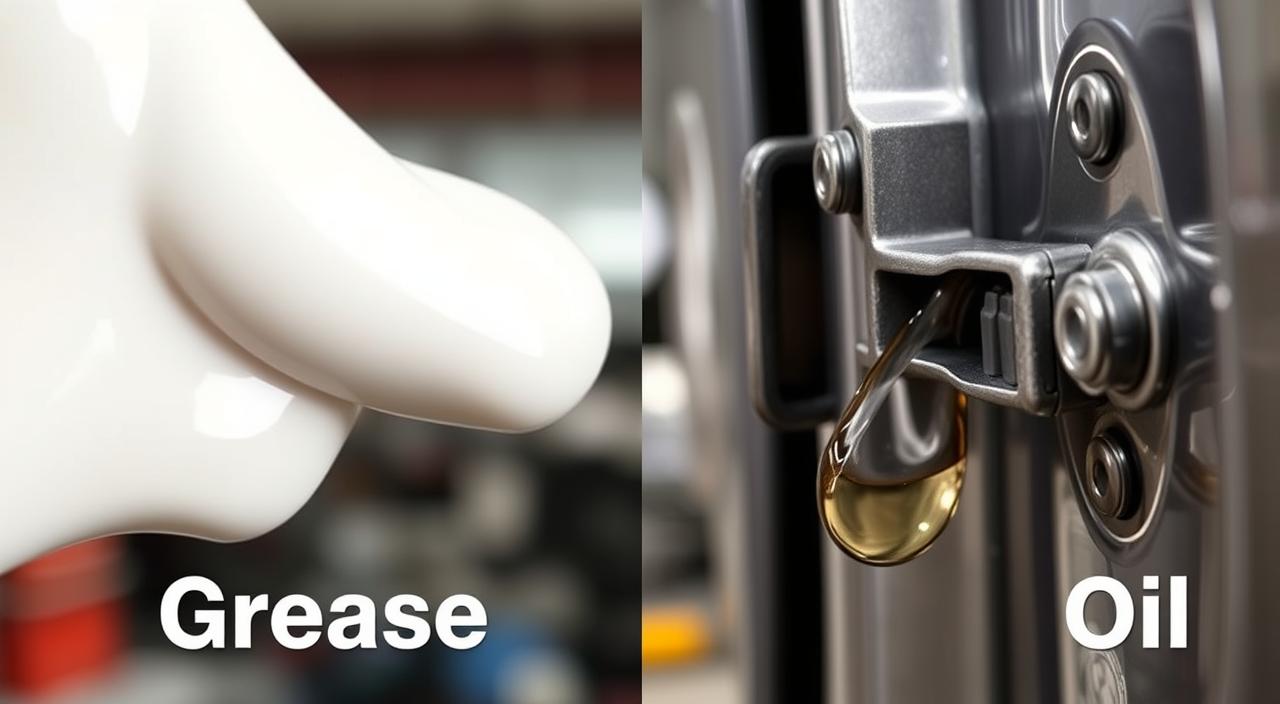
Many lubricants are made for cars, like grease, oil, and silicone. Grease is thick and stays put, perfect for hinges.
Key Properties of Effective Hinge Lubricants
Good hinge lubricants must stick well and resist water and dirt. They should also work with hinge materials like metal and plastic.
| Lubricant Type | Viscosity | Water Resistance |
|---|---|---|
| Grease | High | Excellent |
| Oil | Low to Medium | Poor to Fair |
| Silicone | Low to High | Excellent |
Understanding Viscosity and Its Importance
Viscosity is how thick or thin a lubricant is. For hinges, the right thickness is important. Too thin, it slips away. Too thick, it can’t get in.
In short, picking the right lubricant for hinges is all about knowing the types, their qualities, and viscosity. The right choice keeps your car’s hinges working well for a long time.
Grease vs Oil for Car Door Hinges: A Comprehensive Comparison
Lubricating car door hinges is very important. But, choosing between grease and oil is not easy. Each has good and bad points to consider.
Composition and Viscosity Differences
Grease is thick and stays on hinges well. It’s made from oil, thickener, and additives. Oil is thinner and can get into tight spots but might not stay as well.
Grease stays the same thickness in different temperatures. But oil’s thickness can change, which affects how well it works.

Temperature Resistance Properties
Grease works well in many temperatures. Some greases can handle very hot or cold. This makes them good for tough places.
Oil also works in many temperatures. But, it can get less effective in very hot or cold.
Water and Dirt Resistance
Grease keeps water and dirt away from hinges. It’s thick and keeps out bad stuff. This helps prevent rust and wear.
Oil can also make hinges run smoothly. But, it doesn’t keep out water and dirt as well as grease. It might need to be put on again often.
Longevity and Reapplication Needs
Grease lasts a long time on hinges. It’s thick and sticks well. You might not need to put it on again for months or years.
Oil is thinner and might need to be put on again often. This is true, more so in harsh conditions or with lots of use.
In short, picking between grease and oil for car door hinges depends on several things. It’s about the conditions and what you prefer. Knowing the differences helps you choose the best one.
Advantages of Using Grease on Door Hinges
Grease is a top pick for lubricating car door hinges. It stays put longer than oil, so you don’t need to apply it as often. This is great for hinges that face different weather conditions.
Longevity and Staying Power
Grease lasts longer than oil on hinges. It doesn’t drip off or get washed away by rain. This keeps your hinges well-lubricated, making doors move smoothly and lasting longer.

Protection Against Environmental Factors
Grease protects hinges from moisture, dust, and extreme temperatures. It creates a barrier that stops corrosion and wear. This is key for keeping hinges in good shape, even in bad weather.
Best Types of Grease for Car Hinges
There are a few greases you can use on car hinges. Lithium-based and silicone greases are two good choices.
Lithium-Based Greases
Lithium-based greases work well and last a long time. They handle water and work in many temperatures. This makes them good for different weather.
Silicone Greases
Silicone greases stand up to extreme temperatures well. They also don’t attract dirt and dust. Plus, they work with many materials, like rubber and plastics.
Choosing the right grease for your hinges is important. It helps your car run better and last longer. Using the right grease is a smart car maintenance tip. It keeps your vehicle in top shape.
Benefits of Using Oil on Door Hinges
Oil is a good choice for lubricating car door hinges. It has many benefits. These include how well it works, how easy it is to use, and the best oils to pick.
Penetration and Coverage Capabilities
Oil goes deep into hinges, making them smooth. This is great for hinges that get dirty easily. It makes sure all parts move well, helping them last longer.
Ease of Application
Putting oil on hinges is easy. Just a little bit goes a long way. This makes oil a simple choice for keeping hinges running smoothly.
Recommended Oils for Hinge Lubrication
Not all oils are good for hinges. Some oils work better than others.
Silicone-Based Oils
Silicone oils are top picks. They work well and last long. They keep hinges from getting worn out.
Penetrating Oils
Penetrating oils help stuck parts move again. They also last a long time. They’re good for hinges that get stuck or rusty.

Step-by-Step Guide to Applying Grease to Car Door Hinges
To keep your car door hinges working well, learn how to apply grease right. This guide will show you how, from start to finish. You’ll keep your door hinges in top shape.
Tools and Materials Needed
First, get what you need. You’ll need good grease for cars, a clean cloth, and a small brush. Also, have paper towels or a drip tray for spills.
Preparation and Cleaning Process
Start by cleaning the hinges well. Use a cloth to remove dirt and old grease. This makes the new grease work better.
Application Technique for Maximum Effectiveness
Put a little grease on the hinge pins. Use a brush to spread it in the hinge. Don’t put too much grease, as it can attract dirt.
Clean-Up and Excess Removal
After greasing, clean up any extra. This stops drips and messes. Throw away any used stuff right away.
Common Mistakes to Avoid
Don’t over-grease, as it can be messy and attract dirt. Also, clean the hinges well before greasing. Follow the grease’s instructions.
| Step | Description | Tips |
|---|---|---|
| 1 | Clean the hinges | Use a clean cloth to remove dirt and grime |
| 2 | Apply grease | Use a small brush or applicator for precise application |
| 3 | Clean up excess | Wipe away excess grease with a clean cloth |
By following these steps and avoiding common mistakes, you can effectively lubricate your car door hinges and maintain your vehicle’s overall performance.
How to Properly Apply Oil to Car Door Hinges
Putting oil on car door hinges is easy and makes your car last longer. It stops squeaks and keeps doors moving smoothly.
Required Tools and Materials
You need a few things to oil your car door hinges right. Get a good car oil, a clean cloth, and a small brush. Also, have rags or paper towels ready for spills.
Cleaning and Preparation Steps
First, clean the hinges well. Use a cloth to remove dirt and old oil. This lets the new oil work better.
Correct Application Methods
Put a little oil on the hinge pins with your brush. Don’t use too much oil, or it might attract dirt.
Dealing with Runoff and Drips
After oiling, clean up any extra oil with rags or paper towels. This stops oil from getting on other car parts.
Potential Pitfalls and Solutions
Using the wrong oil is a common mistake. Always pick the right oil for your car’s hinges. Also, clean the hinges well before oiling to ensure good lubrication.
| Lubricant Type | Characteristics | Suitability for Door Hinges |
|---|---|---|
| Silicone-based oil | Water-resistant, non-staining | Highly suitable |
| Synthetic oil | High viscosity index, durable | Suitable |
| WD-40 | Penetrating, water-dispelling | Less suitable for long-term lubrication |
By following these steps and picking the right oil, your car door hinges will work better and last longer.
Maintenance Schedule: How Often to Lubricate Car Door Hinges
To keep your car’s door hinges working right, you need a regular plan. This plan helps you know when to lubricate and how often. It keeps your car running well.
Climate and Environmental Considerations
How often you lubricate hinges depends on where you live. Places near the sea need more lubrication because of salt in the air. Also, very hot or cold weather can change how well the lubricant works.
Signs Your Hinges Need Lubrication
Listen for squeaks or stiff hinges. These sounds mean it’s time to add lubricant. It helps your hinges move smoothly again.
Seasonal Maintenance Recommendations
Lubricate your car’s hinges twice a year. Do it in spring and fall. This keeps hinges ready for any weather and keeps them moving well all year.
Creating a Reminder System for Regular Maintenance
Use a calendar or app to remember to lubricate hinges. This keeps your car running smoothly. It also makes your hinges last longer.
Troubleshooting Common Door Hinge Problems
Keeping your car’s door hinges in good shape is key. It stops squeaks and makes doors open smoothly. Hinges can get worn or dirty over time, causing problems.
Addressing Squeaky Hinges
Squeaky hinges mean they’re dry or dirty. Using the right automotive lubricant, like grease or oil, can fix it. Make sure to clean the hinge first for best results.
Fixing Stiff or Resistant Door Movement
Stiff doors might mean worn-out or wrong hinges. Check if the hinges are aligned right and use lubricant. If it still doesn’t work, you might need to adjust or replace them.
Dealing with Rust and Corrosion
Rust and corrosion can really hurt hinges. Use a lubricant or coating that fights rust. Regular checks and care can stop rust before it starts.
When to Seek Professional Help
If the hinge problems are big or don’t go away, get help from a pro. They can do a deep check and fix what’s needed.
| Issue | Solution |
|---|---|
| Squeaky Hinges | Apply lubricant |
| Stiff Door Movement | Check alignment, apply lubricant |
| Rust and Corrosion | Use rust-inhibiting coating |
Conclusion
Grease and oil both have good points for car door hinges. Grease lasts long and protects from the weather. Oil is easy to use and gets into small spaces well.
Think about what you need when choosing between grease and oil. Grease is great for lasting protection. Oil is better for quick and easy use.
Choosing the right lubricant depends on many things. This includes the weather, how much you use your car, and what you like. Knowing the good things about each can help you pick the best one for your car.
FAQ
What is the main difference between grease and oil for lubricating car door hinges?
Grease is thicker and lasts longer. Oil is thinner and needs more frequent use. Grease also stays put better, avoiding drips.
Can I use any type of grease or oil on my car’s door hinges?
No, use lubricants made for cars. For grease, lithium or silicone is best. For oil, silicone or penetrating oils work well. Always check the car manual.
How often should I lubricate my car’s door hinges?
Lubricate every 6 months, or more often if you live in a harsh climate. If you hear squeaks, it’s time to lubricate.
What are the signs that my car’s door hinges need lubrication?
Squeaks and creaks mean it’s time to lubricate. Rust or corrosion also need attention.
Can I use grease or oil on other car parts beside door hinges?
Yes, grease and oil work on many parts. But, pick the right one for each part and follow the manual.
How do I apply grease or oil to my car’s door hinges correctly?
Clean the hinges first. For grease, use a gun or a small amount on the pins. For oil, a few drops are enough. Wipe off extra to avoid mess.
What are the benefits of using lithium-based grease on car door hinges?
Lithium grease is great for lubrication and protection. It works well in many temperatures and is durable.
Can I mix different types of lubricants on my car’s door hinges?
Mixing lubricants is not a good idea. It can cause problems. Stick to one type and check your car’s manual.